
 Close
Close
TEACHER TRAINING
Home > Applied Research
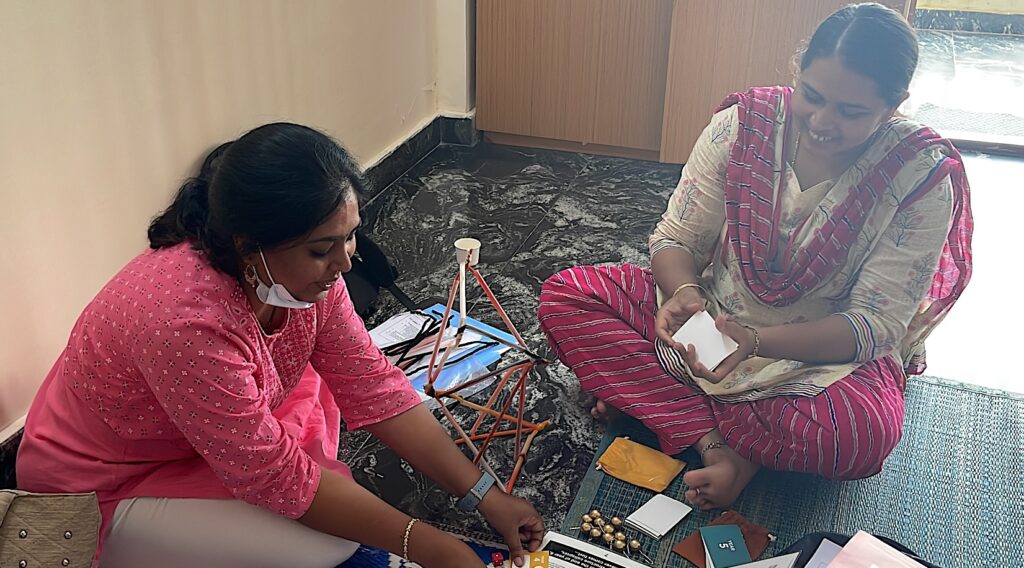
At Tejasvita, applied research is closely connected to classroom practice. We study real challenges faced by children, teachers, mentors and schools, and use the findings to develop practical solutions. Our research is not separate from implementation: ideas are tested in classrooms, studied systematically and refined based on evidence and experience.
Our child-centric preschool model has grown through this process over many years. Classroom observation, child-progress data and feedback from teachers and mentors have helped us strengthen the curriculum, learning materials, classroom processes, teacher training, mentoring and assessment practices. We continue to study how the model can deliver strong outcomes while becoming more affordable, sustainable and easier for schools to implement well.
Our individualised primary literacy model is currently being implemented, studied and refined in Grades 1–2. The work explores how teachers can support children who are at different reading and writing levels within the same classroom, while building their confidence, independence and enjoyment of language.
Our research also examines the people and conditions that make classroom reform possible. Current areas include teacher and mentor growth, and the relationship between classroom practices and children’s progress. We draw on interviews, classroom observations, assessments, reflection records and implementation data to understand not only whether change happens, but also how and why it happens.
The purpose of this work is practical: to improve what happens in classrooms and to create credible, evidence-informed models that can be adopted by more schools and partners. We share our learning through research reports, white papers, implementation tools and training resources so that it can contribute to the wider education sector.